
Flow Momentum Notes
Practical ideas on Performance Health, endurance coaching and responsible AI.
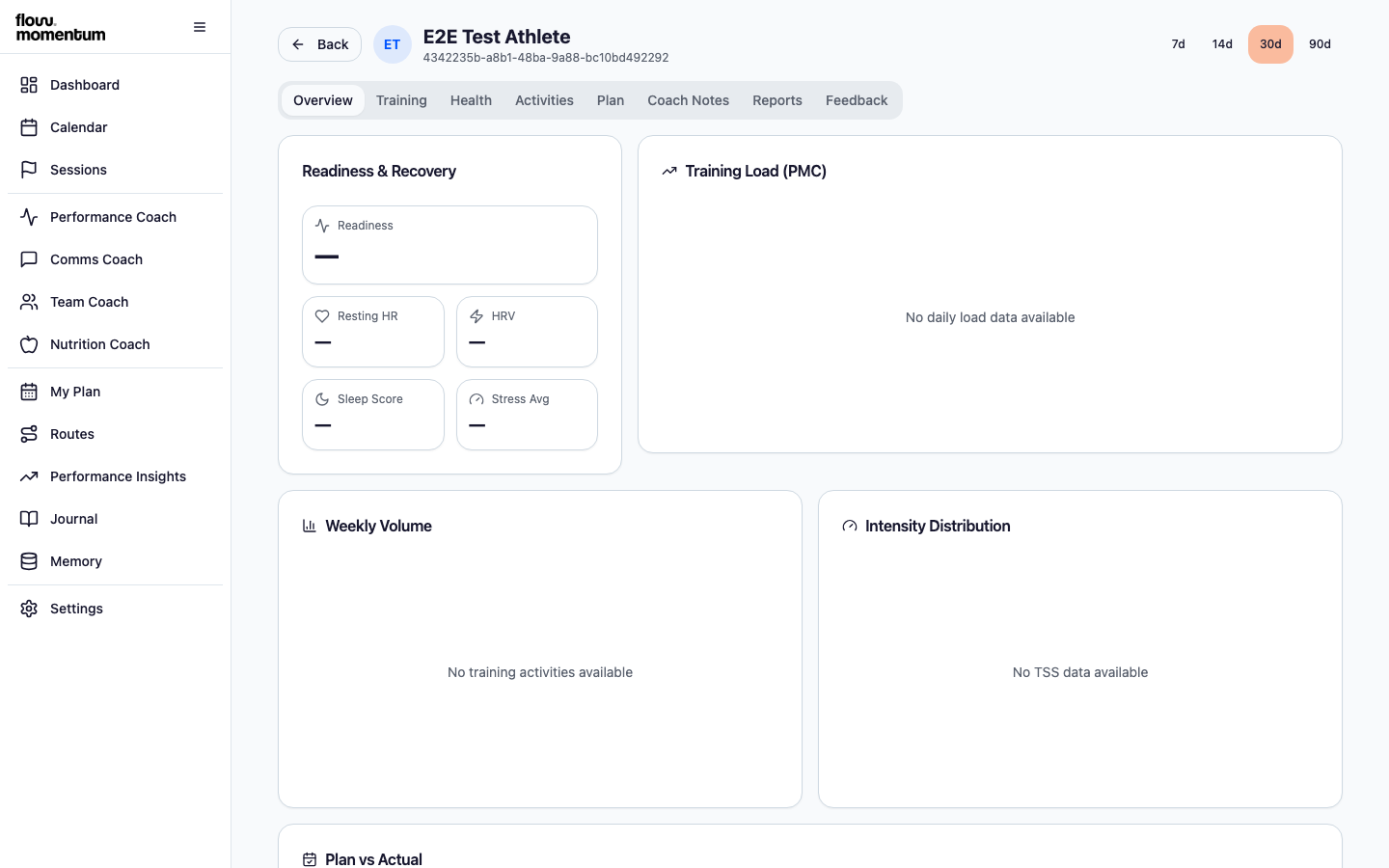
Why AI Coaching Needs Knowledge, Memory and Visible Uncertainty
A useful AI coach needs more than a language model. It needs curated knowledge, athlete-specific memory, deterministic calculations and clear uncertainty.

AI vs Human Cycling Coach: What UK Riders Actually Get for the Money (2026)
Cost, feedback speed, personalisation and where each model wins.
Compare AI cycling coaching with traditional UK one-to-one coaches: cost, feedback loop, personalisation and the hybrid model that combines both.
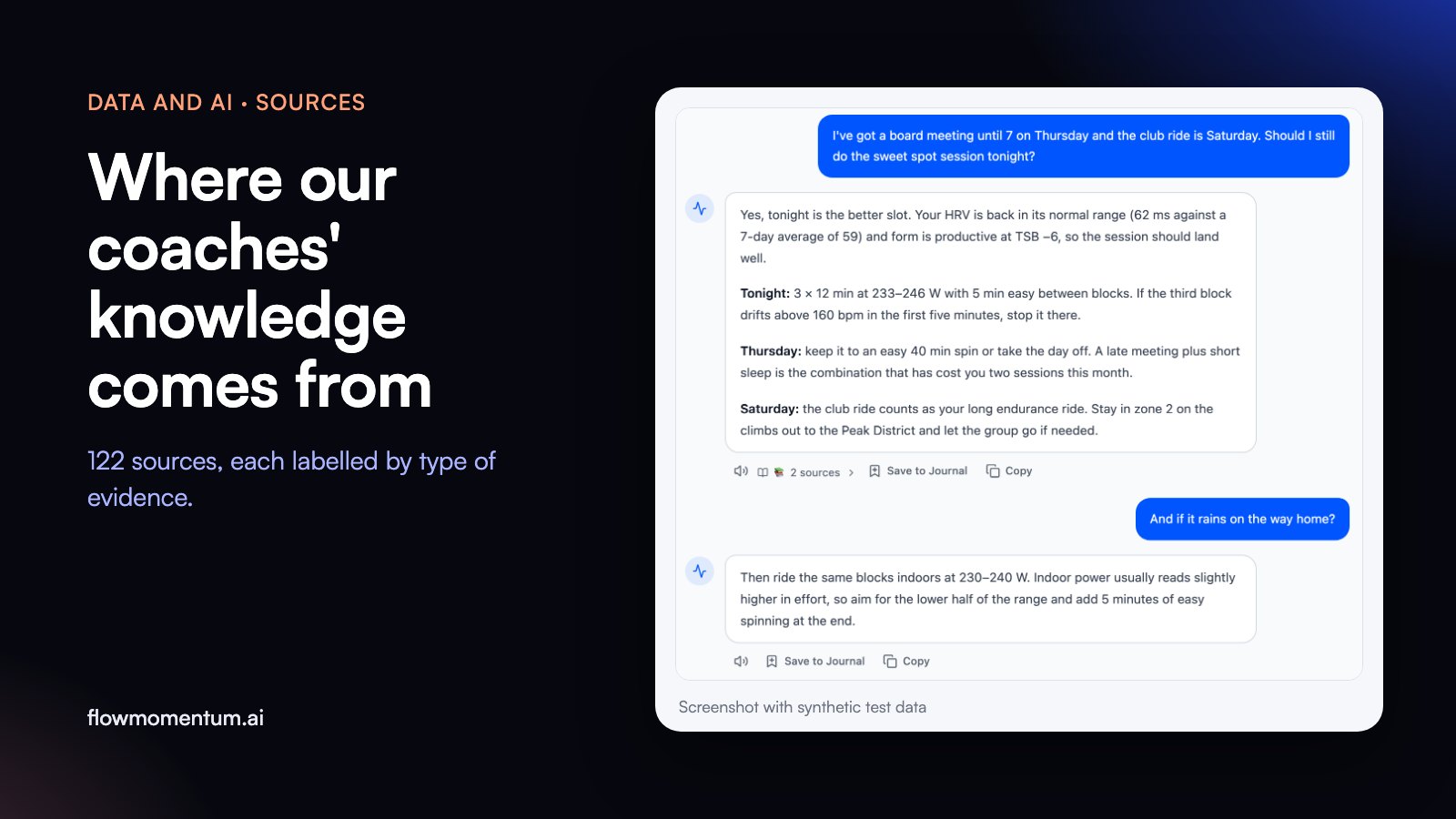
Where Our Coaches' Knowledge Comes From: The Full Source List
Every book, study and guide our knowledge base draws on, with its evidence type, plus the summaries we wrote ourselves.
Flow Momentum's four coaches draw on a curated knowledge base of 122 sources: 51 external books, studies and guides, and 71 summaries written by Flow Momentum. Here is the full list, labelled by type of evidence.
Corporate Health That Actually Works: From Steps to Performance
Why step challenges are not enough, and how corporate health can support sustainable performance through better work design, coaching and feedback.
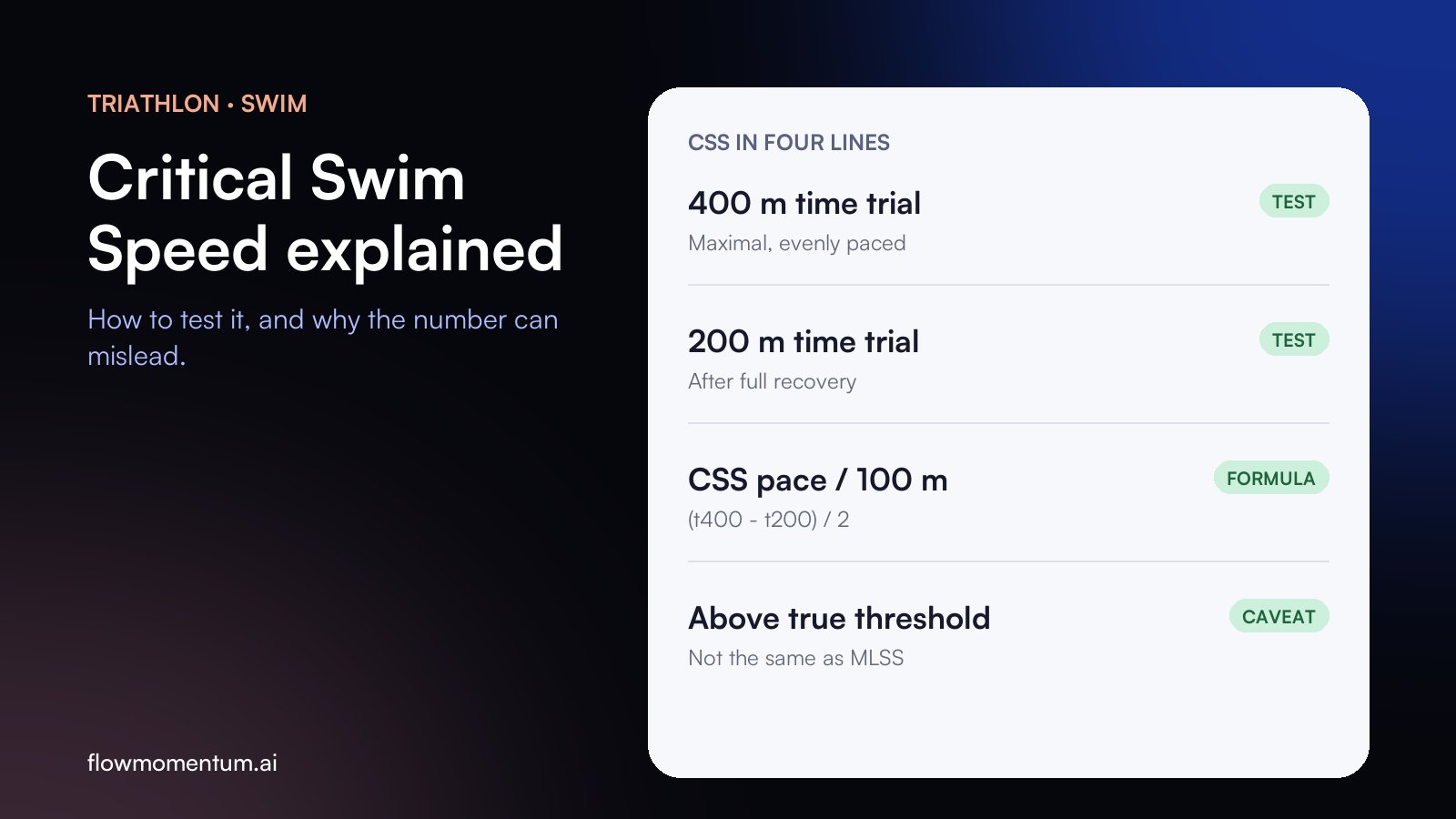
Critical Swim Speed Explained: How to Test It and Why the Number Can Mislead
What CSS measures, how to run a 400/200 m test, and why a better 200 m can make your CSS look worse.
Critical Swim Speed is the most common swim benchmark in triathlon. It is useful for pacing, but it sits above your true threshold and depends on how you pace two short time trials.
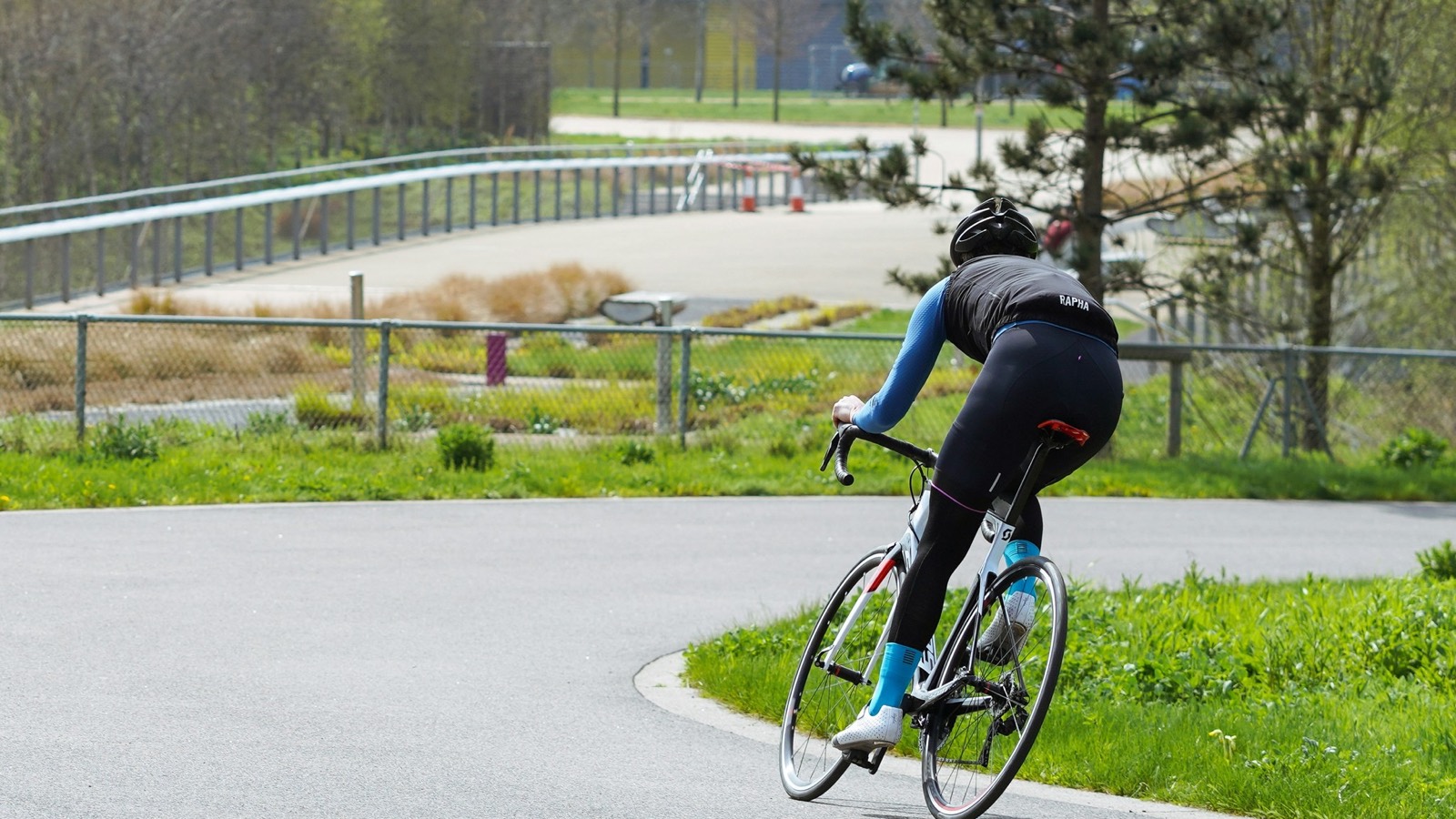
Cycling Coach London: Training Around Work and Commuting
How London cyclists can combine commuting, Google Maps route planning, targeted intervals and weekend rides in one practical coaching plan.
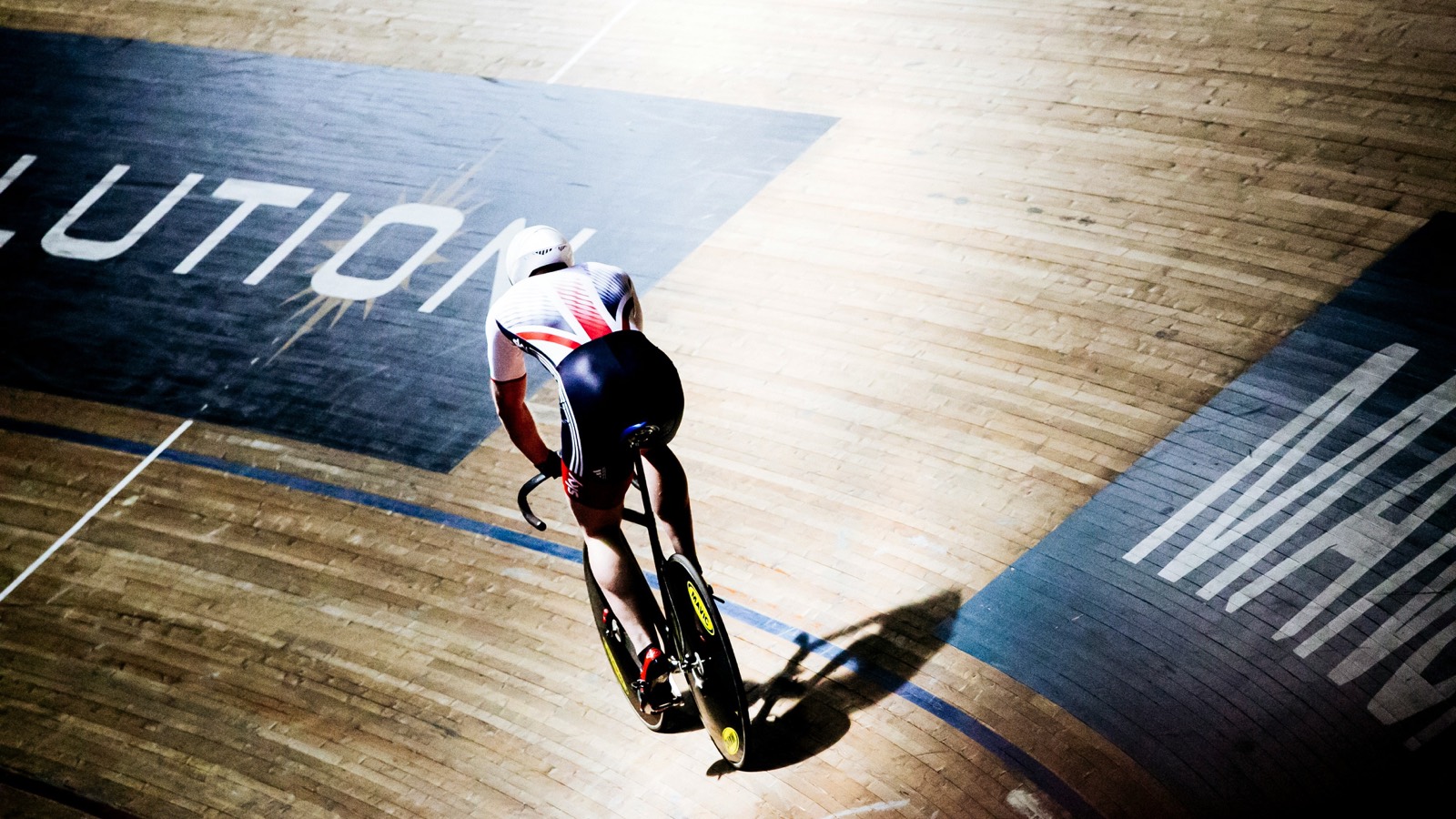
Cycling Coach Manchester: Train for Peak District Climbs
How Manchester cyclists can match commutes, Peak District rides, the velodrome and smart-trainer alternatives to a daily adaptive plan.
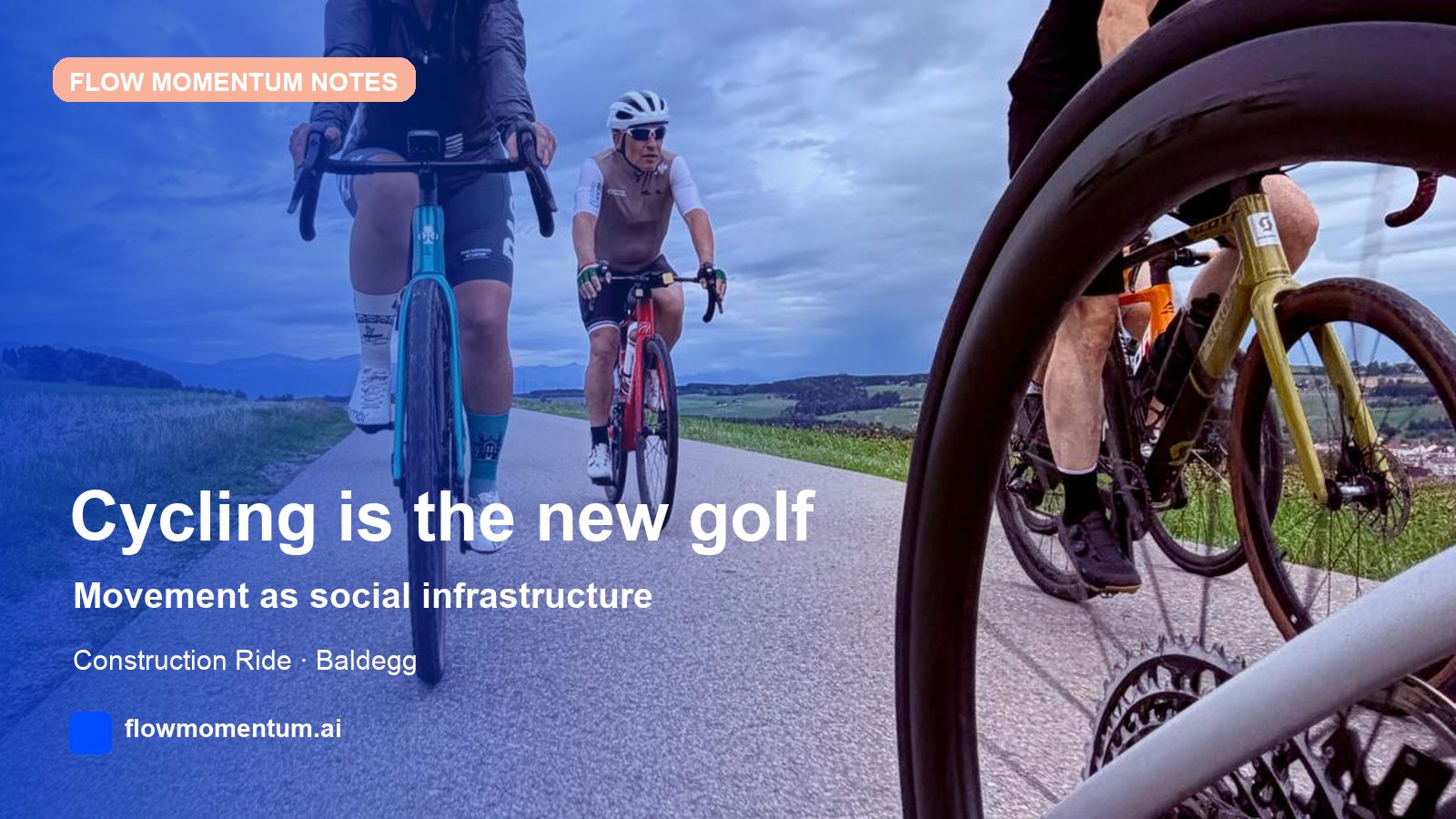
Cycling Is the New Golf: Movement as Social Infrastructure
A wet, hilly Construction Ride through the Seetal offers a useful lesson: shared movement can create better conditions for conversation, trust and belonging.
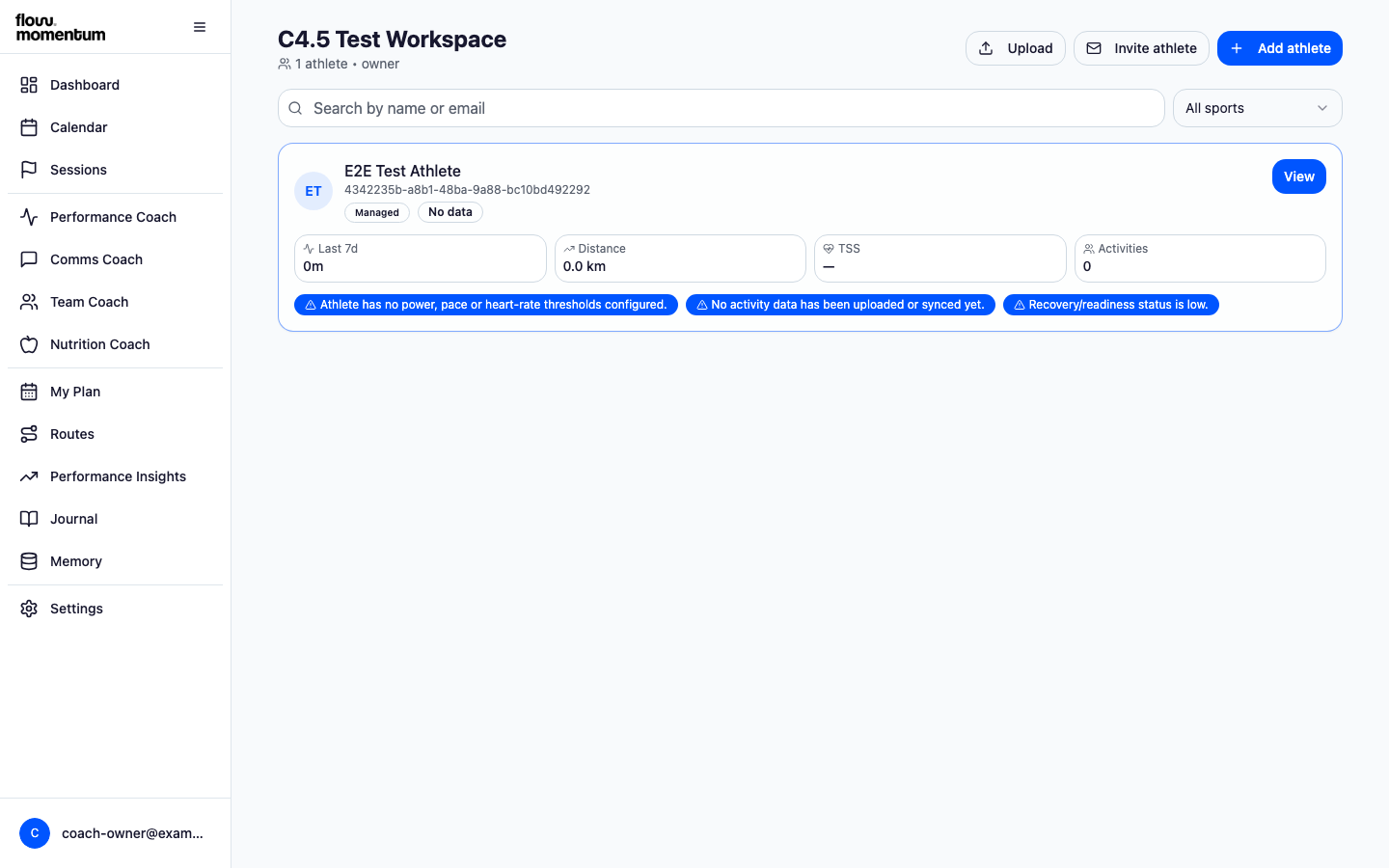
Why Endurance Coaches Need an Athlete Workspace, Not Another Dashboard
A coach needs to move from athlete intake to evidence, judgement and communication. Here is why a professional workspace matters more than another static dashboard.
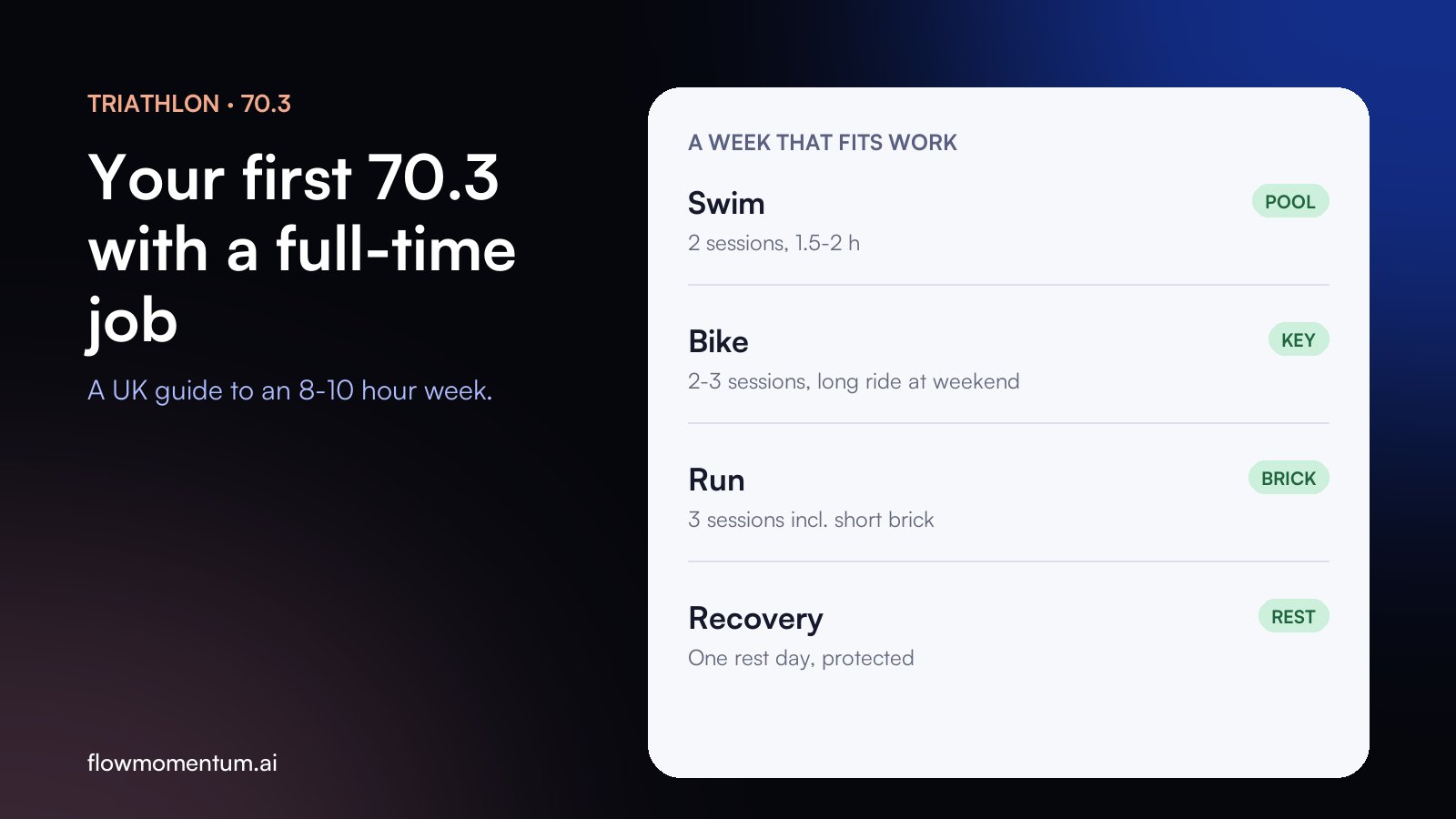
Your First 70.3 With a Full-Time Job: A UK Guide to an 8–10 Hour Week
How working age-groupers fit swim, bike and run into a busy week, what the evidence says about intensity, and how to choose a first UK race.
A first half-distance triathlon fits around a demanding job if the week is built on what you can repeat: two swims, two or three rides, three runs, one brick and protected recovery.
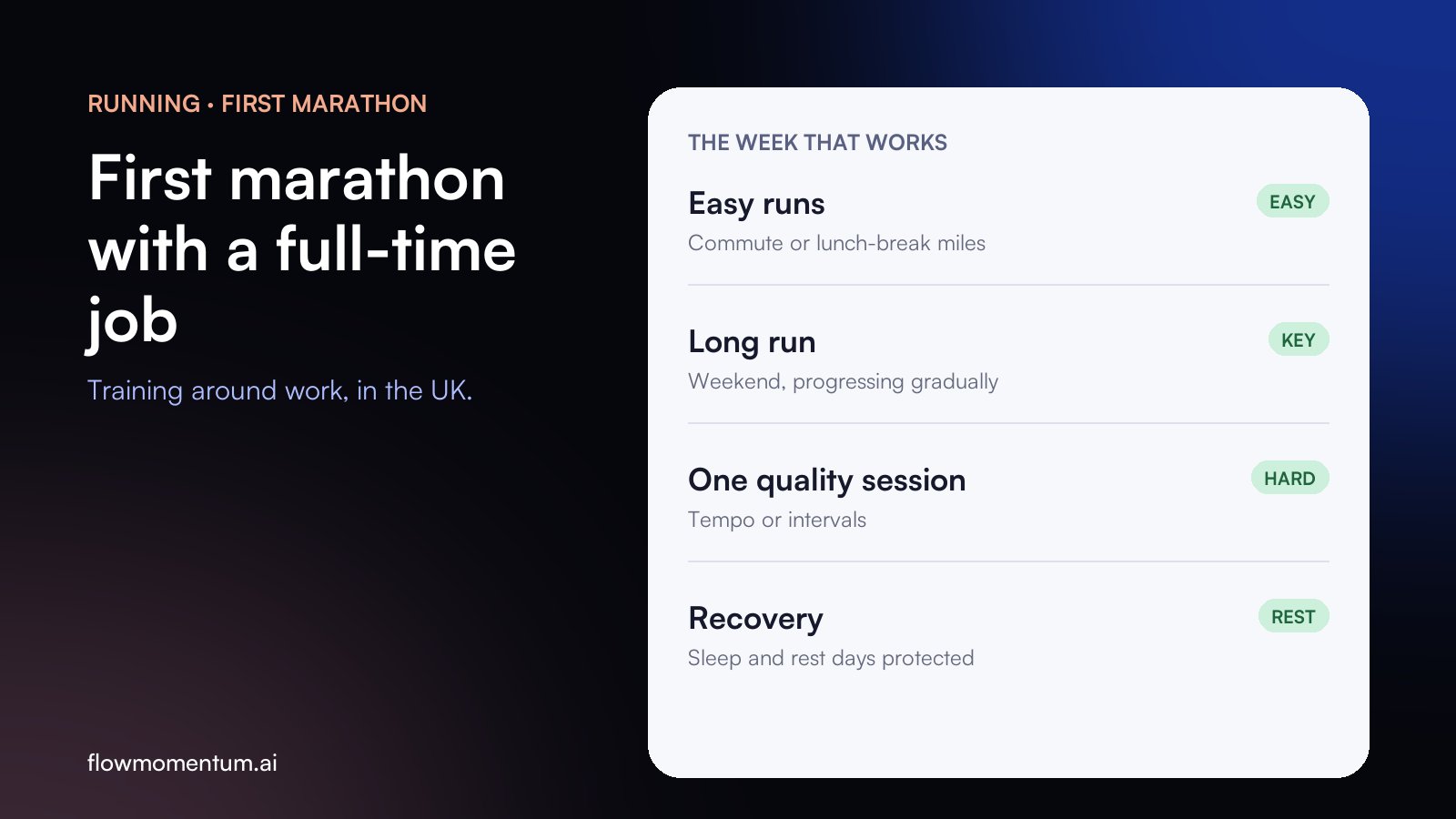
First Marathon With a Full-Time Job: A UK Training Guide
How to build towards 42.2 km when work, commuting and a UK winter decide most of your week.
A first marathon fits around a full-time job when the week is built on easy running, one protected long run and a slow increase in distance. Here is how to plan it, and what to watch in your data.
Flow Momentum Now: One System for Athletes and Coaches
A practical tour of the new Flow Momentum: sport-specific athlete insights, persistent training records, coach workflows and decision support with clear boundaries.
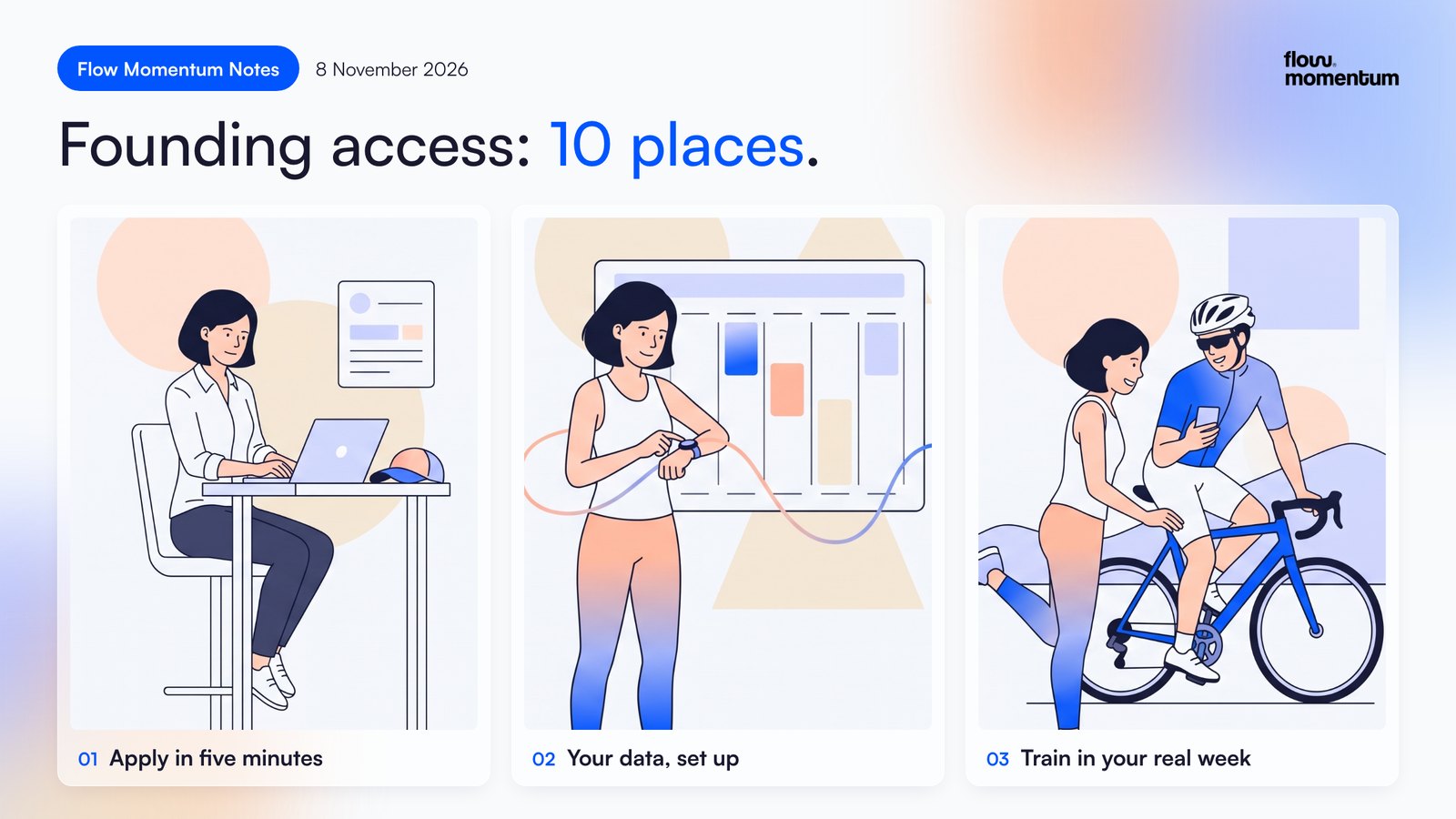
Founding Access: 10 Places for Athletes Who Train Around Work
Six months of Flow Momentum free, set up with Hartmut, with a monthly feedback session to tell us what to change.
We are opening 10 founding places for cyclists, runners and triathletes with demanding jobs. Founding members get 6 months of Flow Momentum free, direct onboarding with Hartmut, a monthly feedback session and access to the Peak group sessions.
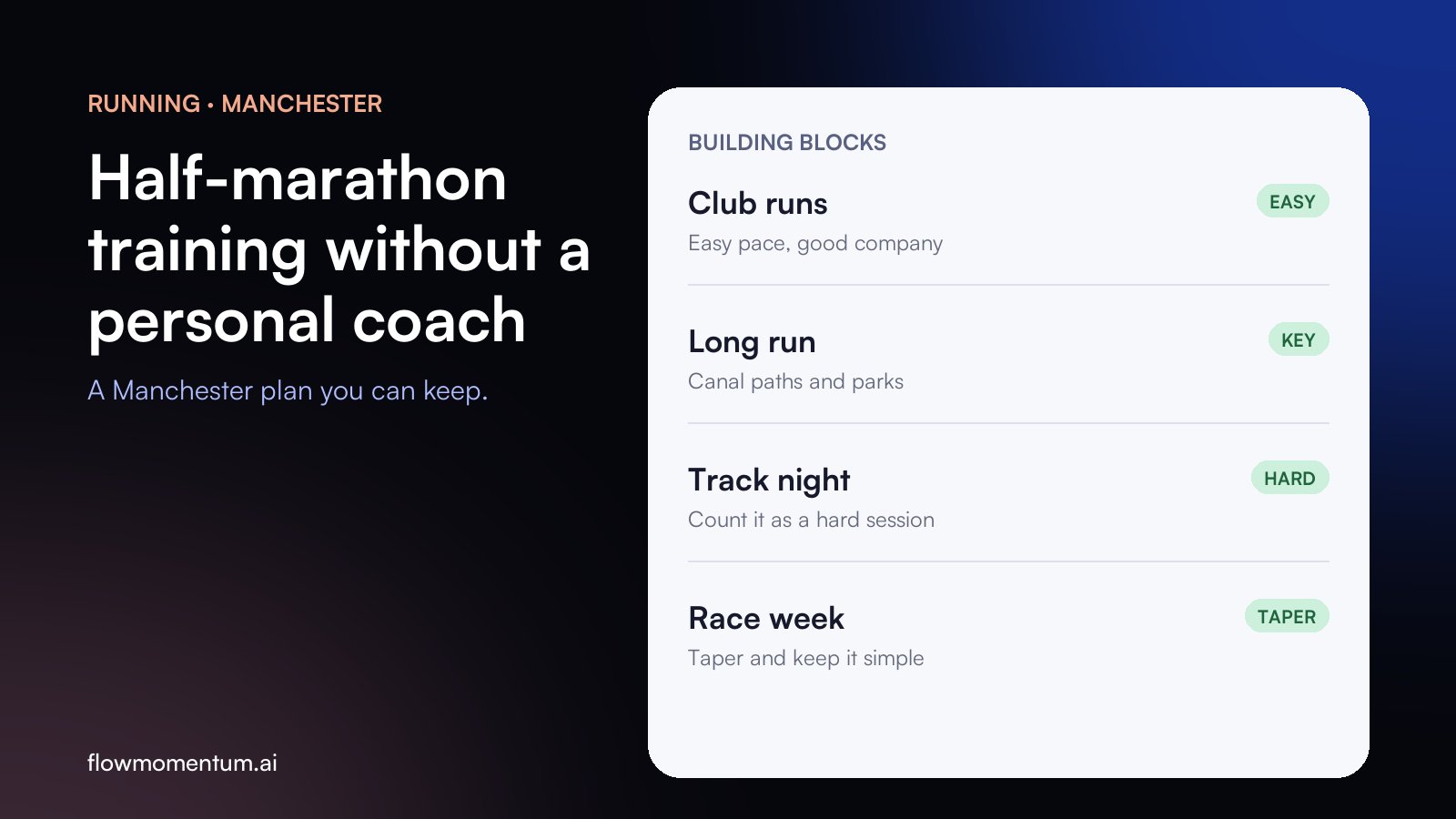
Half-Marathon Training in Manchester Without a Personal Coach
How to combine free group runs, parkrun, a clear plan and your own data into coaching that fits a Manchester week.
You do not need a personal coach to prepare well for a half marathon in Manchester. You need structure, people to run with and feedback that tells you when to change the plan.
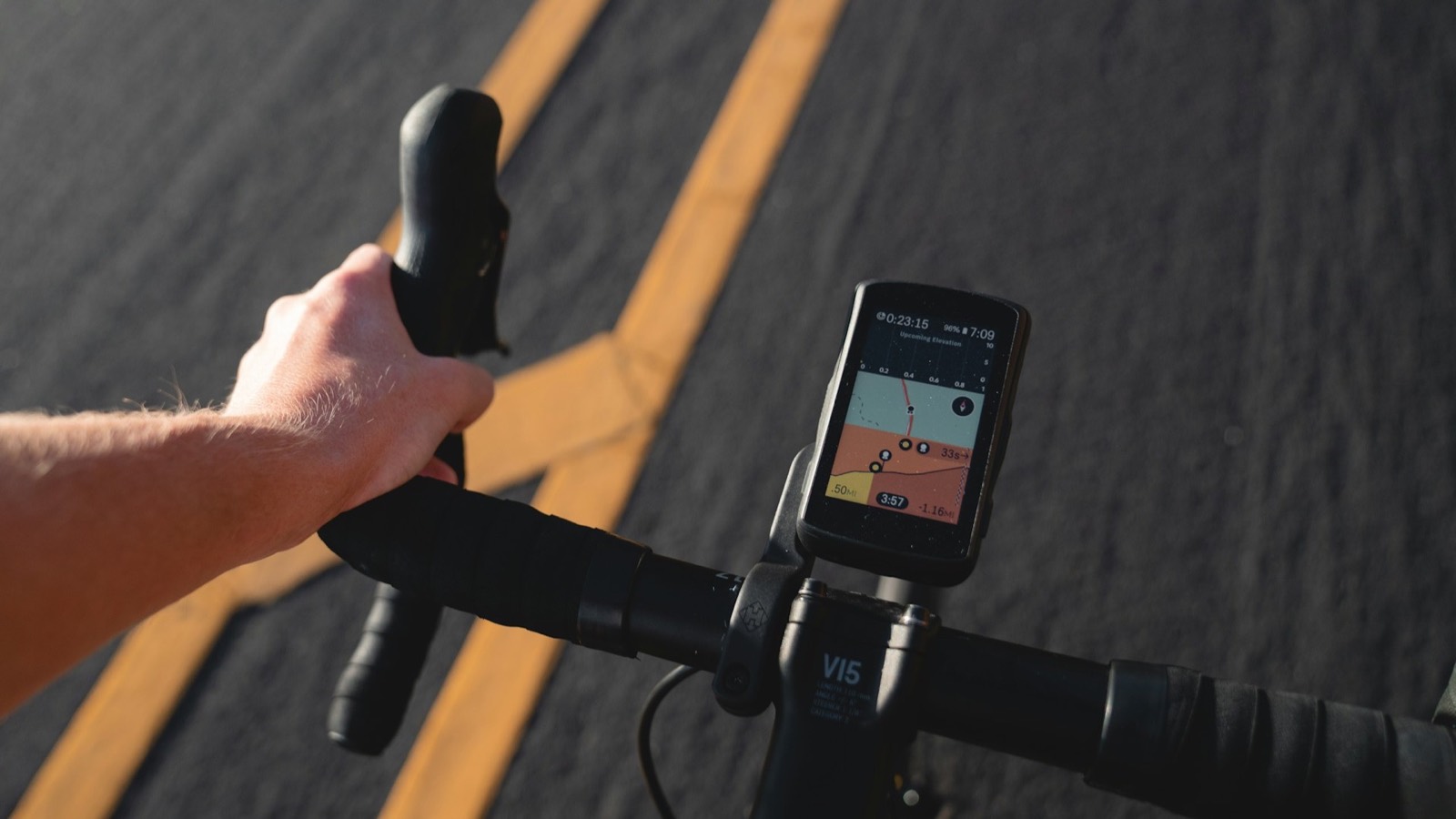
How AI Cycling Coaching Works: A UK Guide
A practical UK guide to how AI cycling coaches use training, recovery and lifestyle context, where they help, and where human judgement still matters.
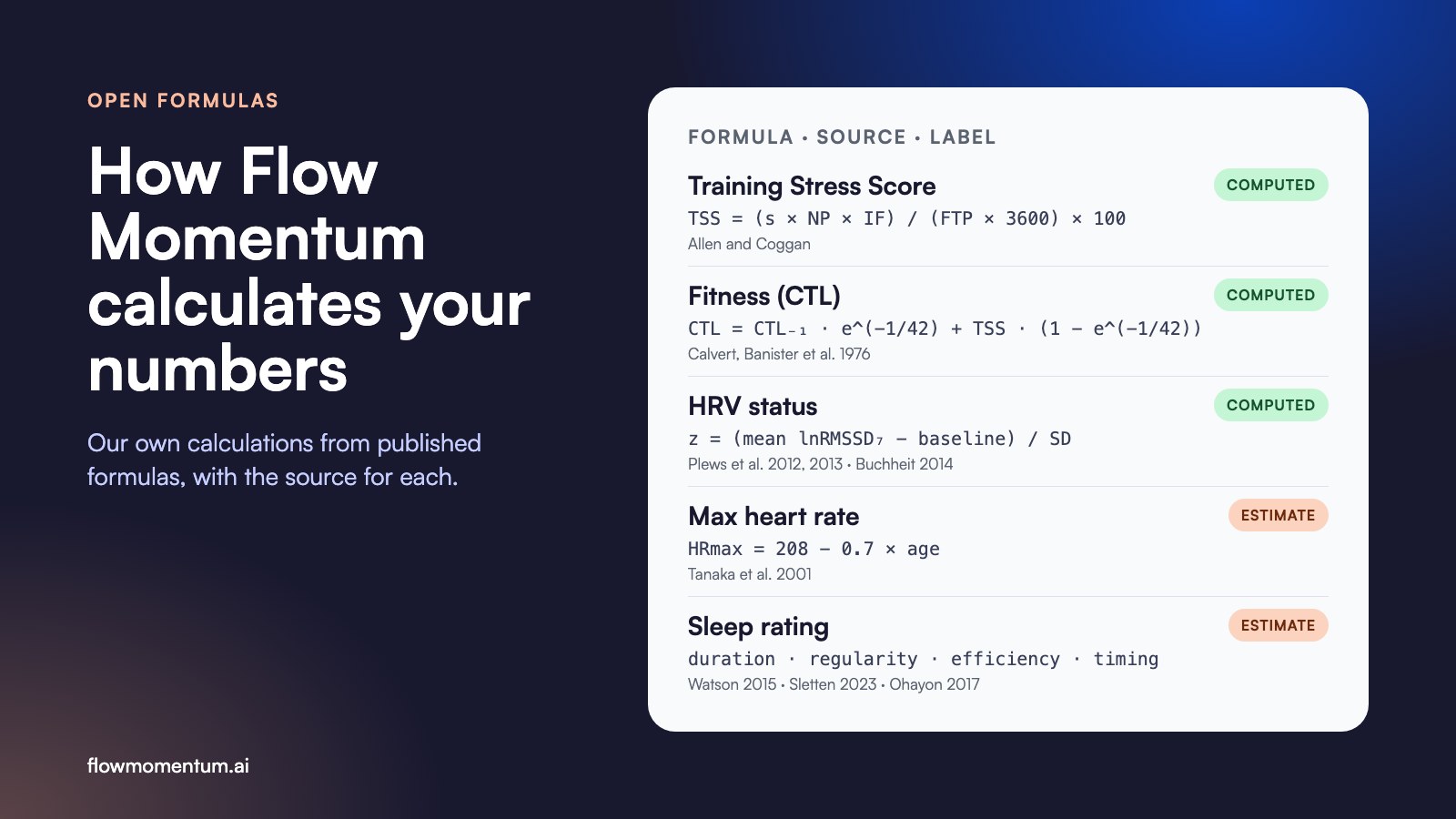
How Flow Momentum Calculates Your Numbers
Our own calculations from open, published formulas, with a worked example and the original source for each.
Flow Momentum calculates training load, thresholds, HRV status and a sleep rating itself, from published formulas. Here are the formulas, worked examples and sources.

How to Choose the Best Cycling Coach in the UK: 2026 Guide
Compare UK cycling coaching by price, qualifications, evidence, daily adaptation and human support, including Flow Momentum's £19 and £49 plans.
Inside Flow Momentum: Performance Health for Athletes and Coaches
A product walkthrough of the athlete record, sport-specific insights and the new coach workspace being prepared for the founding pilot.
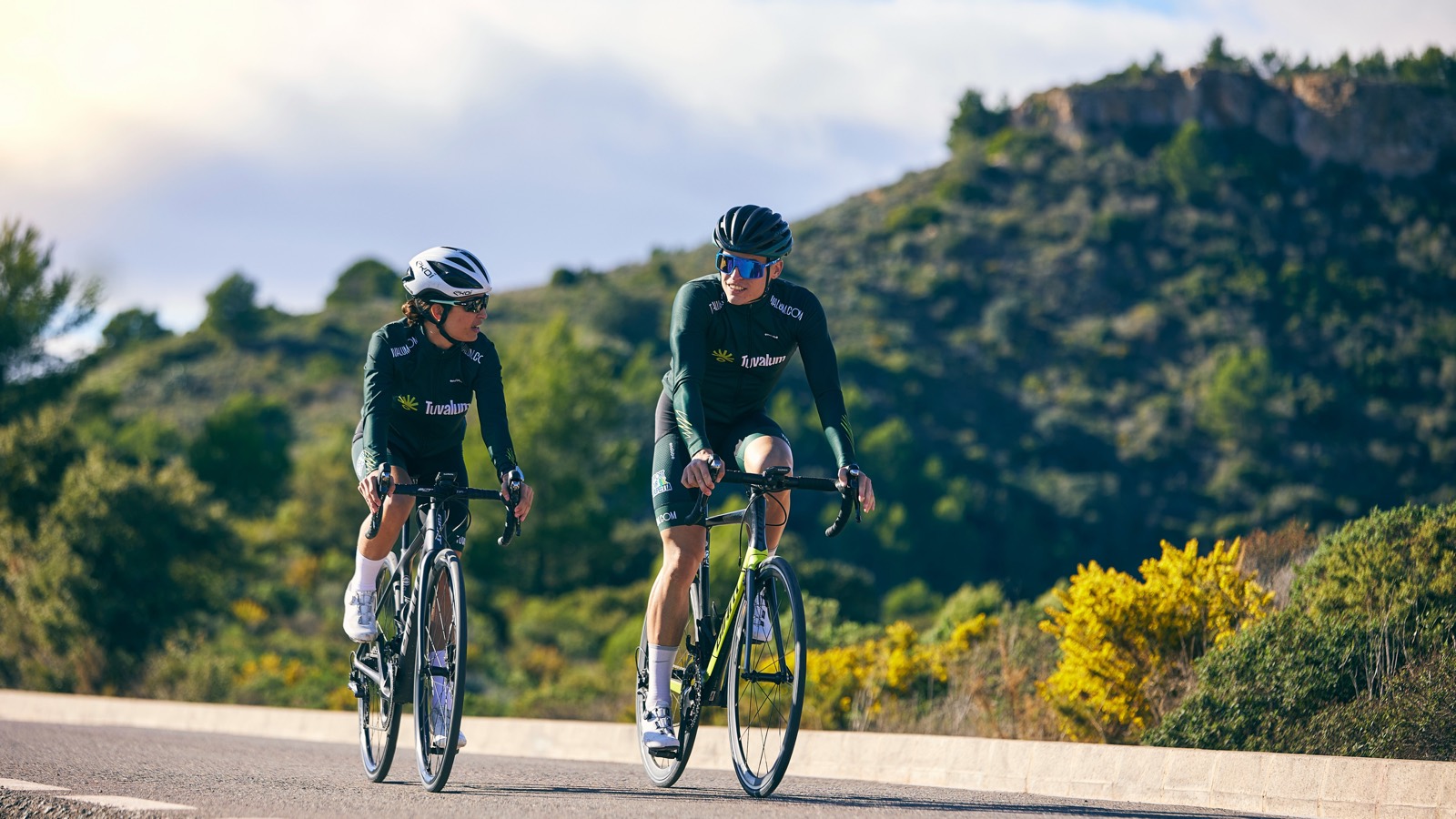
Online Cycling Coach vs In-Person: What Executives Need
A practical comparison of AI, remote human and in-person cycling coaching for executives balancing performance, travel and limited time.

Performance Health: Connecting Training, Recovery and Better Decisions
Performance Health connects training, recovery, nutrition and resilience without turning athlete software into a medical service.
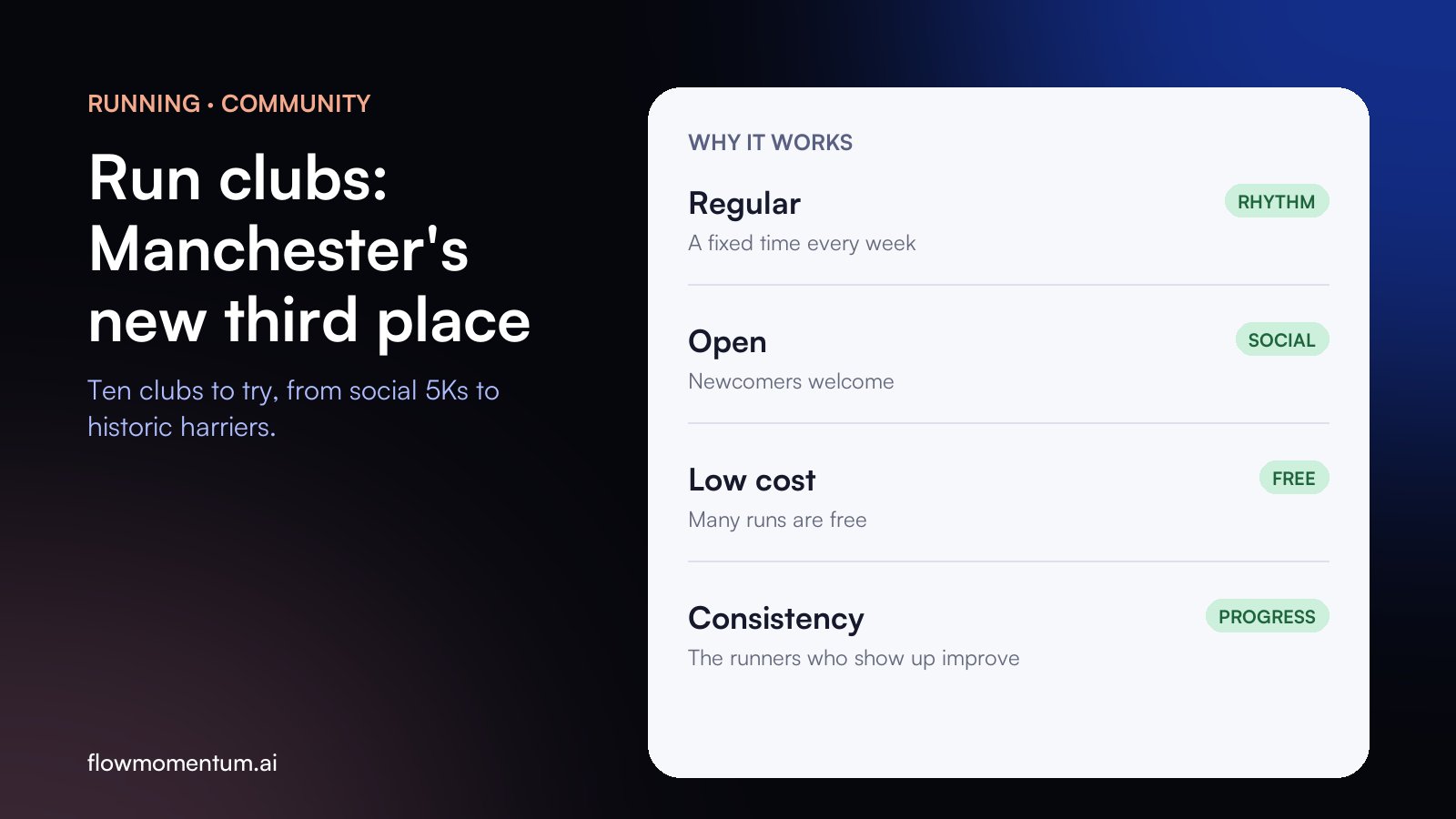
Run Clubs as Manchester's New Third Place: 10 Clubs to Try
Why more people meet over a 5K than over a pint, and ten Manchester clubs where you can start.
Run clubs have become one of the easiest ways to meet people in a city. Here is what the data shows, why consistency matters for performance, and ten active Manchester clubs, from social runs to clubs founded in the 1880s.
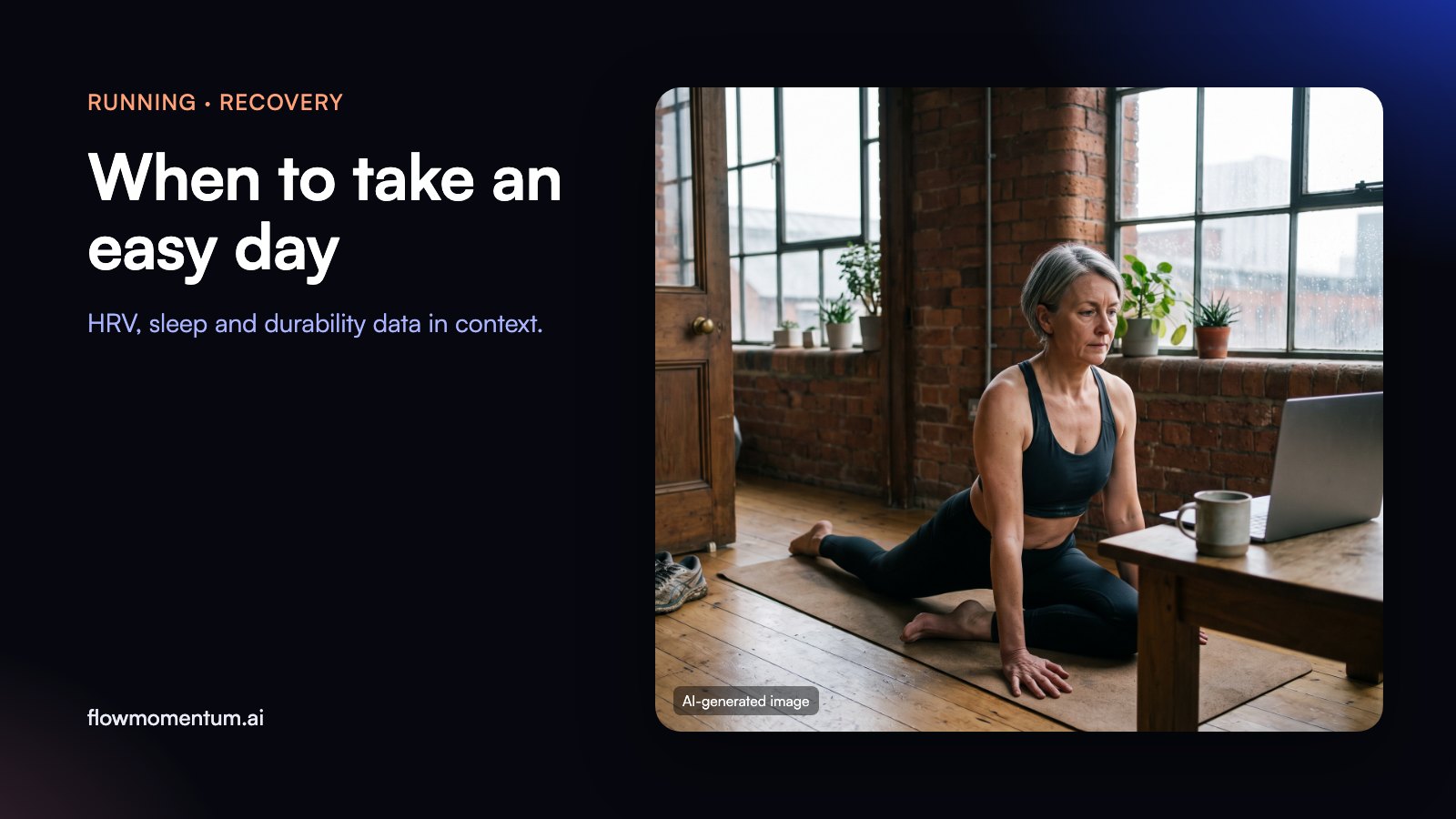
When to Take an Easy Day: Using HRV, Sleep and Durability Data
How runners can read morning HRV, sleep and long-run durability together, and when the data says to protect a recovery day.
One low HRV reading is not a reason to rest. A run of low readings, short sleep and fading durability on long runs often is. Here is what the research shows and how to make the call.
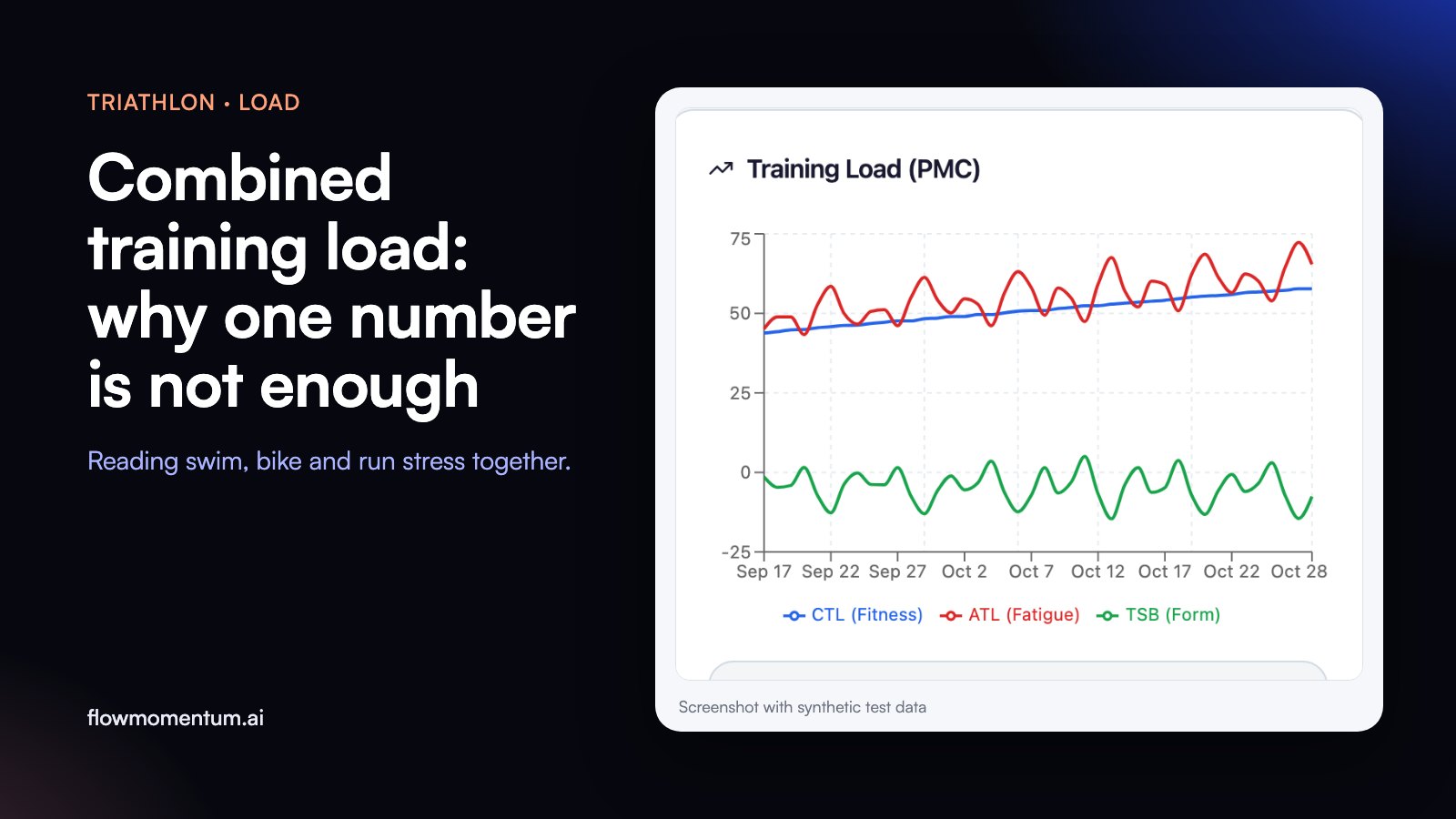
Combined Training Load in Triathlon: Why One Number Is Not Enough
What a single fitness and fatigue score hides when you train three sports, and how to read your load when the swim metric is only approximate.
Adding swim, bike and run stress into one score assumes every point costs the same. It does not. Here is how to read combined load sensibly, especially when swim load is an estimate.
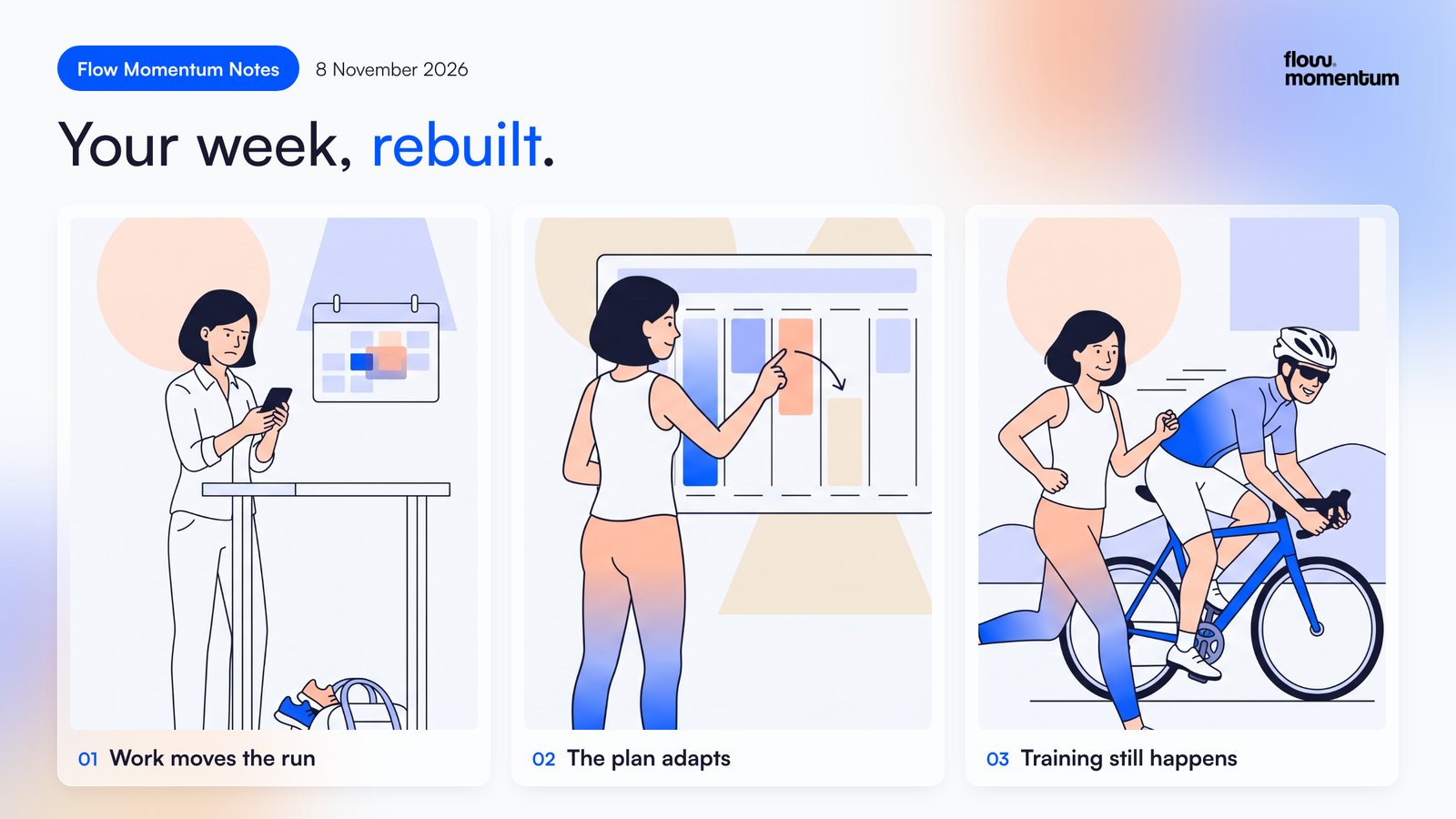
Work Moved Your Run: How to Rebuild a Training Week
Five rules for the week that did not go to plan, for runners, cyclists and triathletes with full-time jobs.
When work takes a session, the worst fix is to squeeze it in later. Protect the key session, shorten rather than skip, never stack two hard days and let the next week absorb the change.